Get In Touch
Call:
(814) 898-8517
Email: info@bauerspecialty.com
Address: Suite A - 5301 Iroquois Avenue, Erie, Pennsylvania 16511, United States
Service Areas
Erie, Warren, Meadville, Corry, North East, Edinboro, Waterford, Union City, Girard, Albion, Cambridge Springs, Wattsburg, Titusville, and Youngsville in Pennsylvania.
Jamestown, Dunkirk, Fredonia and Salamanca in New York State.
Business Hours
- Mon - Thu
- -
- Friday
- -
- Sat - Sun
- Closed
Select Site Language
Insulation
Improve your home's comfort, lower your energy costs and increase the value of your home with Bauer Specialty's insulation services. From spray foam to cellulose, we have the latest technology in home insulation.
Schedule an Appointment and Get a Free Estimate!
Request A Callback
LocalSite - Callback - Home
Discover Our Comprehensive Range of Premium Insulation Solutions
Bauer Speciality is your go-to provider for premier insulation services in Erie and surrounding areas in Pennsylvania, offering a comprehensive range of solutions designed to enhance the comfort of your home while promoting energy efficiency. Our versatile services cater to various insulation needs, promising to deliver ultimate satisfaction for all our clients.
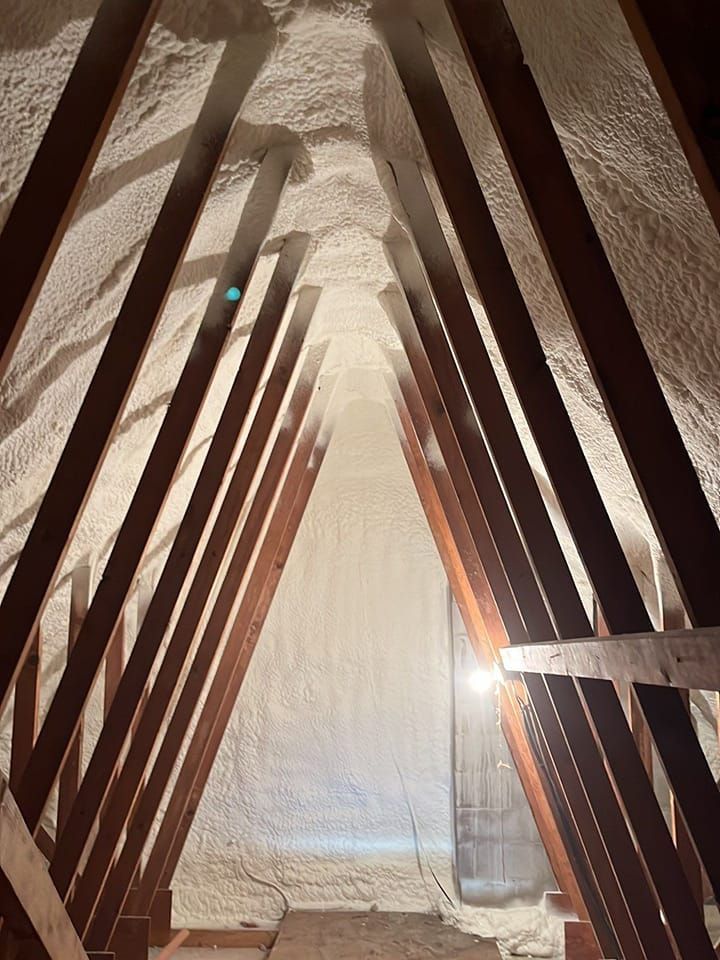
Our spray foam insulation offers a powerful and effective solution that not only seals walls and floors against air movement but also adds structural strength while reducing noise transmission. It has a high R-value per inch, providing superior thermal resistance and energy-saving benefits. For a more eco-friendly option, consider our cellulose insulation, which is made from recycled paper products. Despite being environmentally-friendly, it does not compromise on performance, providing excellent thermal and acoustic insulation, while being resistant to pests and fire.
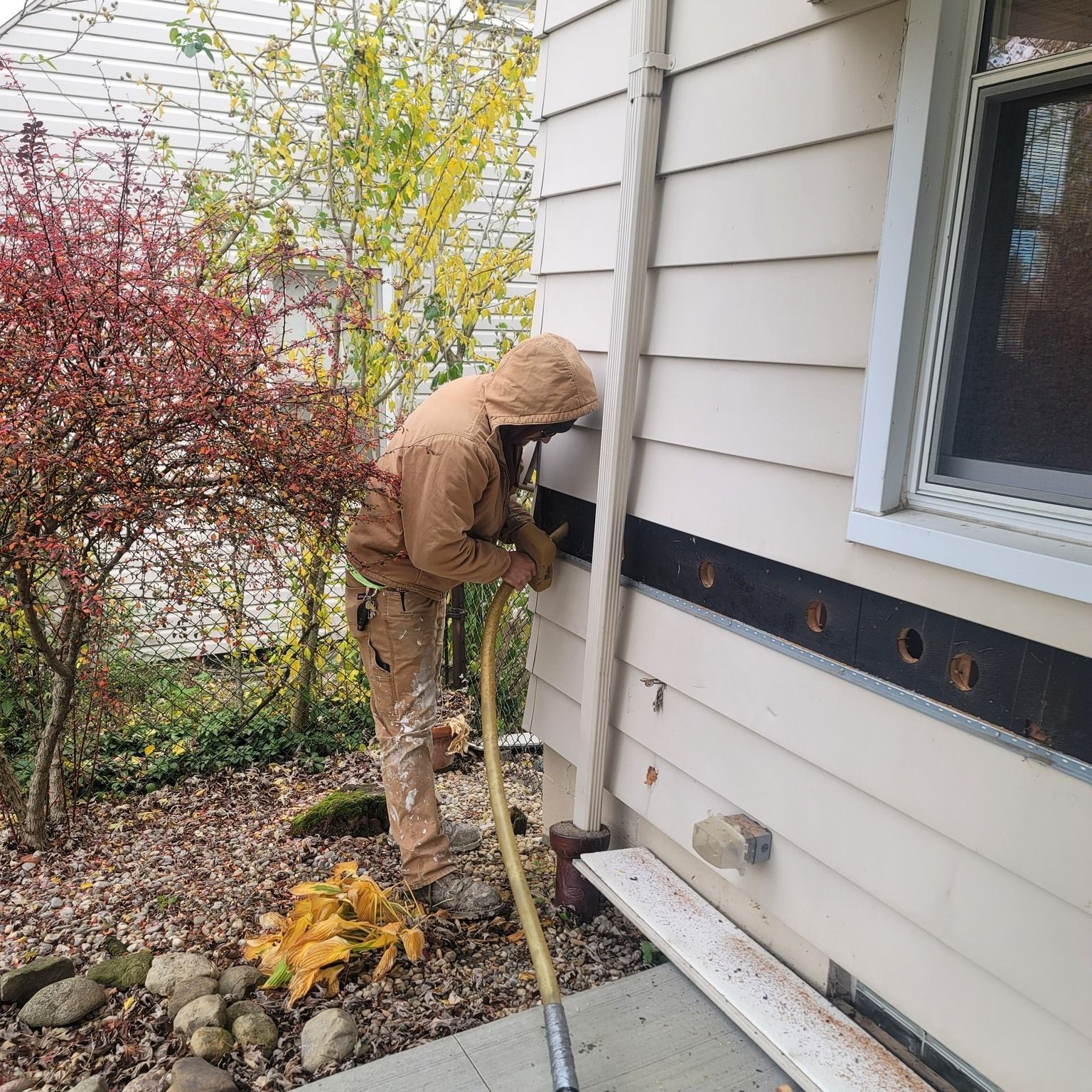
We also specialize in attic and crawl space insulation. These often overlooked areas are crucial for maintaining a comfortable and energy-efficient home. Our expert team ensures these spaces are correctly insulated to prevent unnecessary energy loss. Our blown-in insulation is perfect for those hard-to-reach areas, offering a fast yet effective solution. Whether it's wall cavities, attics, or basements, our team can expertly install this versatile insulation.
Lastly, our basement insulation services improve energy efficiency and comfort in your home. By controlling moisture and reducing heat loss, we can transform your basement into a more livable space. With Bauer Speciality, you'll experience an exceptional approach to insulation.



Experience maximum home comfort and energy efficiency today - request a service quote for our unrivalled insulation services.
What Our Clients Say
Business Hours
- Mon - Thu
- -
- Friday
- -
- Sat - Sun
- Closed


Contact Info
(716) 695-1010
Corporate Headquarters
4002 Main Street Erie, PA 16511
Harborcreek, PA Showroom
Suite A - 5301 Iroquois Avenue, Erie, Pennsylvania 16511, United States
Buffalo, NY Office
166 Lake Street Hamburg, NY 14075
Pennsylvania Home Improvement Contractor Number (PAHIC#) PA 10662
Service Areas
Erie, Warren, Meadville, Corry, North East, Edinboro, Waterford, Union City, Girard, Albion, Cambridge Springs, Wattsburg, Titusville, and Youngsville in Pennsylvania.
Jamestown, Dunkirk, Fredonia and Salamanca in New York State.